
Perinatal Mental Health

Pregnancy and the time after delivering a baby is different for everyone. It can be full of happiness and excitement, and it can also be scary, overwhelming and hard. These feelings can also occur for people trying to get pregnant, those who have lost a pregnancy, and individuals at different stages of nursing or pumping. From the time we try to conceive (if we are trying), through pregnancy, and into the early parenting years, our bodies and lives go through a lot of changes.
How to Avoid Faux Self-Care and Find Self-Care for Yourself

Avoid burnout and improve relationships with self-care
Address Stress at the Holidays
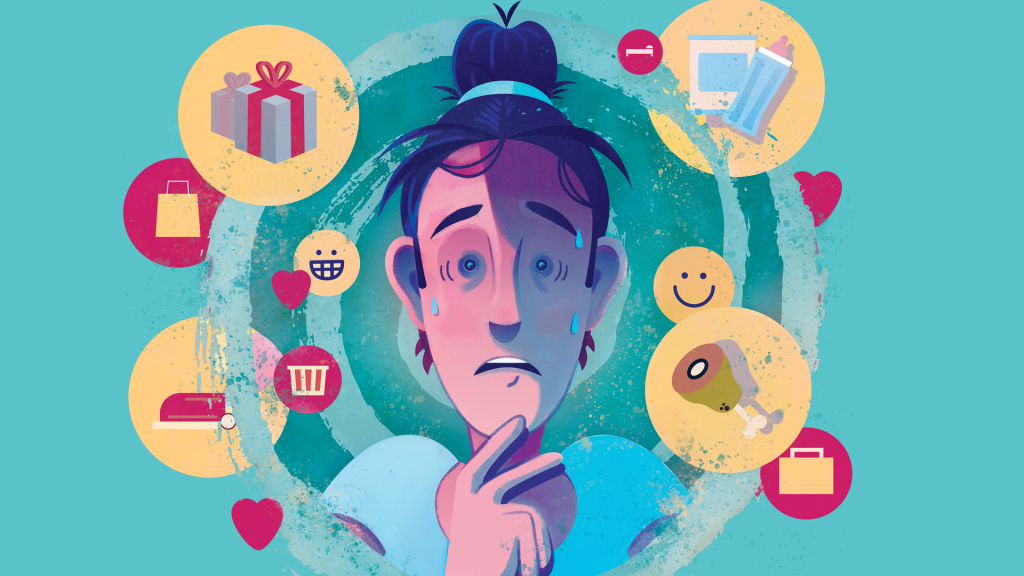
Enjoy the season at your own pace.
The holiday season often brings us reasons for joy, cause for celebration, and opportunities to build and forge connections. But they can also present us with mile-long to-do lists, high expectations, and stress. With holidays right around the corner, consider this advice to address stress during the busy winter season.
Welcoming Winter with Self-Care & Awareness

Cold weather and gray skies, holiday events and celebrations – the winter months can be an emotional time, affecting different people in different ways. While some folks are excited for seasonal activities, others are experiencing sorrow or stress. We asked our Safe Place Team to provide advice and resources to help our community navigate seasonal emotions. Whether you’d like to help a friend in need, or need help yourself, it’s important to practice self-care, awareness and inclusion. Winter Self-Care: Staying Mentally and Physically WellThe winter months can be tough on both mind and body, especially with colder weather and shorter days. This time of year, many people experience the “winter blues” or Seasonal Affective Disorder (SAD), marked by feelings of sadness, low energy, and less motivation. Self-care becomes even more important, and small habits can make a big difference. Try getting as much natural light as possible, staying active, connecting with loved ones, and engaging in activities you enjoy. Practicing gratitude, journaling, or even adding cozy moments to your routine can help keep your spirits up. Self-care isn’t just about pampering; it’s essential for maintaining mental and emotional health. Recognizing When a Friend or Loved One Might Be Struggling (and How You Can Help)When someone close to you is going through a hard time, you might notice small but significant changes in their behavior. They may seem withdrawn, cancel plans more often, or avoid activities they once enjoyed. Physically, someone who is struggling might show signs of neglecting their hygiene or outward appearance. If you’re concerned, reaching out gently can make a difference. Let them know you’re there to listen without judgment and offer your support without pressing for details they may not be ready to share. Encourage them to take small steps toward self-care or talk to a professional if needed. Sometimes, just knowing someone cares can be a huge relief. Community Resources for Youth in NeedWhen young people need help, several resources are available to support them. Safe Place is a national program that provides immediate help and safety to youth in crisis. Youth can access support by looking for the yellow Safe Place sign at designated locations like fire stations, libraries, and a variety of local businesses. Safe Place connects youth with services and support that best meet their needs. Other helpful resources include: Community Resources for Adults in Need Contribute to Community ImpactClick here to learn more about how you can help amplify the impact of A&C’s mission in the communities we serve.